Safety Standards for Portable Buildings: Electrical, Gas, and Water Compliance Explained
11th August 2026
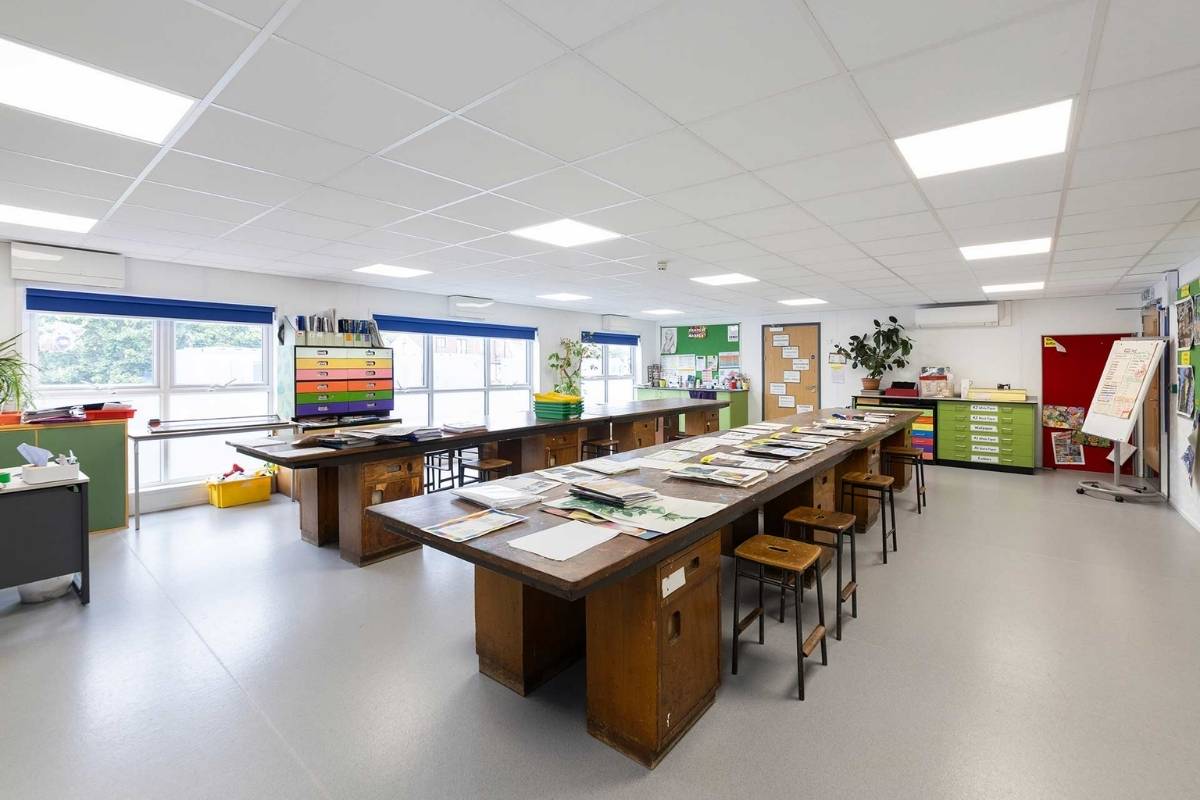
When it comes to electrical, gas, and water systems, portable and modular buildings are held to the same standards as traditional construction. The building’s construction method doesn’t change who is responsible for compliance; it only changes how that compliance is delivered.
Each year the HSE receives around 1,000 reports of electrically-related workplace incidents, with around 30 fatalities. This should be a reminder that the underlying legal duties around electric, gas and water are the same regardless of where people are working.
In this article, we will cover the safety standards of traditional construction vs portable buildings, and the electrical, gas, and water safety standards applied to portable and modular buildings.
Portable and Modular Buildings vs Traditional Construction: Are The Standards Different?
It is a common misconception that portable and modular buildings are held to a more lenient standard than traditionally constructed buildings, because they are temporary or can be relocated. The standards for any build don’t change; what can change is how those standards are achieved and documented.
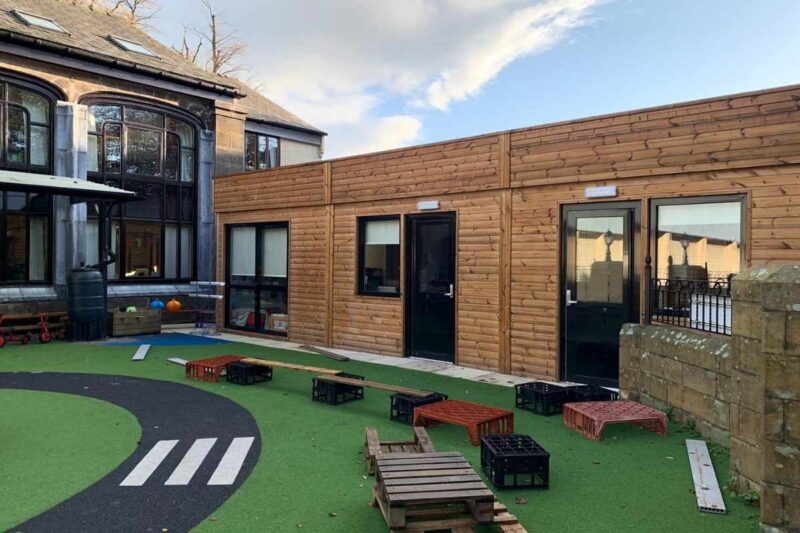
That said, some portable buildings that are going to be in place for less than 28 days may not be subject to certain parts of the building regulations, depending on the classification. This does not apply to the standard applied to electric, gas and water systems, which are always enforced whenever those utilities are present.
This is one of the reasons off-site manufacturing has become prevalent for many organisations. Portable and modular buildings being constructed in controlled factory environments means that electrical, gas, and water systems can be installed, tested, and certified to a consistent standard before the building reaches site.
For a wider analysis of the health and safety advantages of off-site construction, you can read our article on ‘The Health and Safety Benefits of Modular Construction’, which discusses the on-site advantages.
Portable Building Electrical Standards: Legal Requirements
Electrical safety in any workplace, including portable buildings, is dictated by ‘The Electricity at Work Regulations 1989’. This legislation places the duty of care on employers and building owners to ensure that electrical systems are built, maintained, and operated so as not to present a danger to anyone.
When a portable building is connected to a mains electrical supply, the installation should be carried out by a qualified electrician. These rules are applied regardless of the building’s construction method; the responsibility always falls with the person or organisation that controls the building.
Organisations bringing portable buildings to a site should expect:
- A certified electrical connection, fitted by a qualified electrician
- Ongoing inspection and testing of fixed wiring, with a frequency appropriate to how often the building is being used.
- Clear records of when installations and equipment were last serviced.
Ready to find the right portable building for your organisation? Get in touch with our team for tailored advice or browse our stock.
Gas Safety Standards For Portable and Modular Buildings
Where a portable building includes gas-powered cookers, heaters, or water heaters, the ‘Gas Safety Regulations 1998’ apply. This guidance governs the installation, maintenance, and use of gas fittings and appliances across both domestic and commercial premises.
Under these regulations, gas work can only be carried out by a Gas Safe registered engineer.
The regulations cover the full life of gas appliances: installation, ventilation, and ongoing maintenance. Responsibility for meeting these requirements is with the occupier or employer using the building, not simply the person who originally installed it.
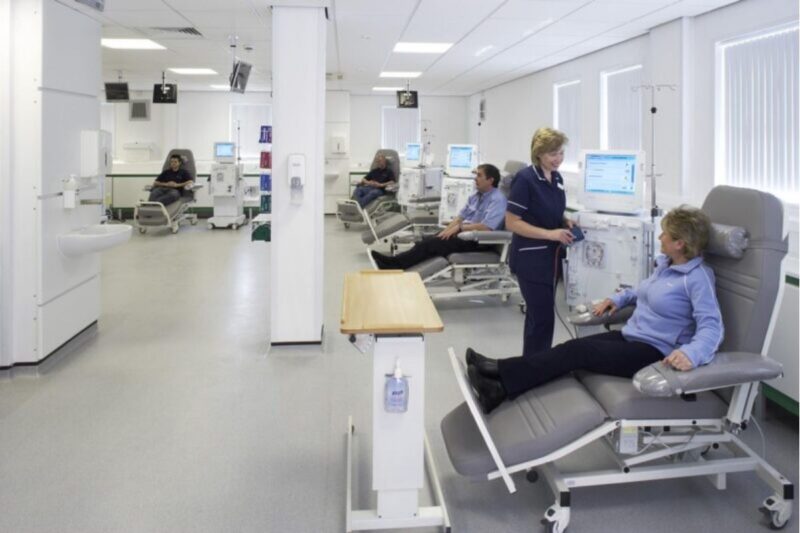
Water Safety and Legionella Control in Portable Buildings
Any water fitting installed in a building: taps, pipework, valves, and so on is governed by the ‘Water Supply (Water Fittings) Regulations 1999’, which sets the general standard for water fittings connected to a public supply, to prevent waste or misuse, and to avoid contamination of drinking water. Choosing a WRAS-approved fitting is a straightforward way for building owners and installers to demonstrate compliance with this standard.
Legionella Control in Portable Building Water Systems
Alongside fitting compliance, any portable or modular building with a water system including bathrooms and kitchens should follow the ‘Approved Code of Practice L8’ guidance. This guidance is specifically designed to control Legionella bacteria in the water system.
The duty of risk assessment and ongoing monitoring applies to anyone with control over a premises; often a responsible person is appointed specifically to monitor this. This is a very relevant factor when considering portable buildings as they may be unoccupied for long periods of time, and they can be more susceptible to stagnant water, increasing the likelihood that Legionella bacteria can multiply.
A Compliant Portable Building Supplier
For businesses, schools and site managers looking for portable building options, safety should not be an afterthought; it should be one of the first questions you should ask the supplier.
A reputable provider will be able to confirm how electrical, gas, and water installations in their buildings meet the relevant regulations, and what ongoing maintenance and/or certification is recommended.
Find the right building for your project, browse our stock of portable and modular buildings, or get in touch with our team
You may also like
How can we help you with your next project?
