What is Offsite Construction and How Does It Work?
24th June 2026
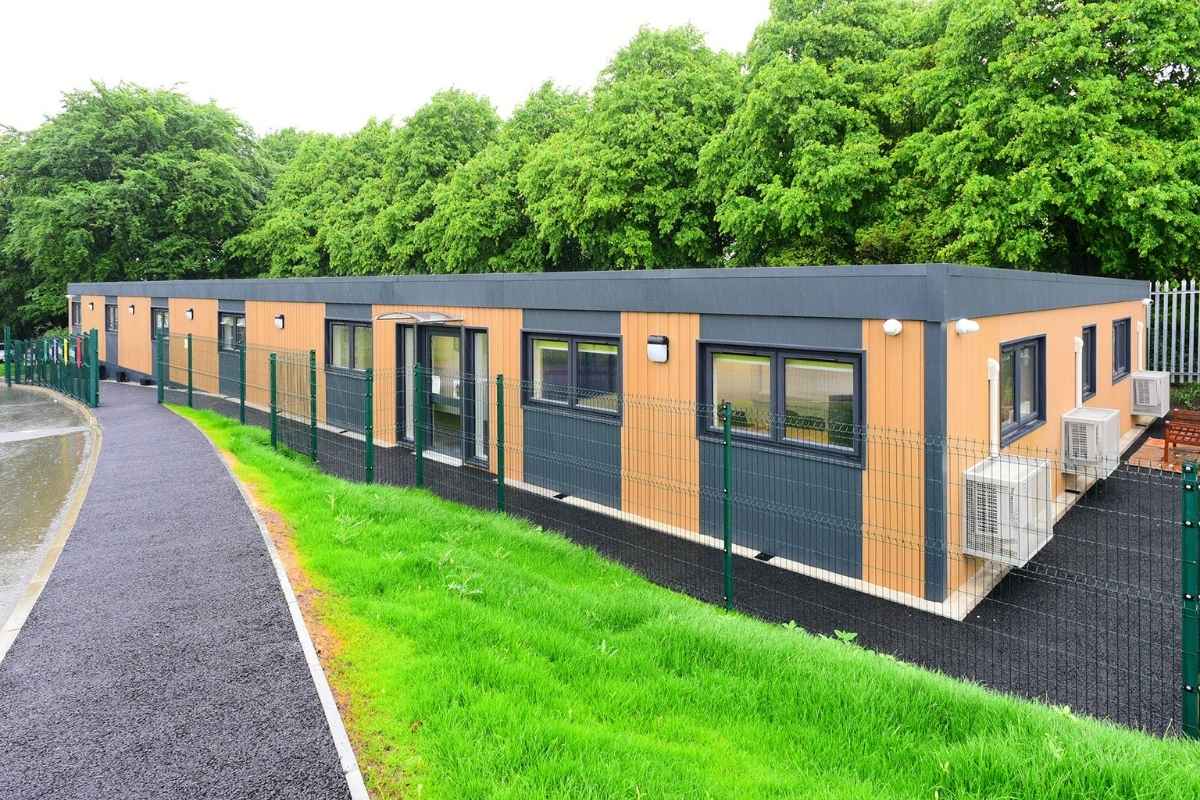
Offsite construction is a modern building method where key parts of a building are designed, manufactured, or assembled away from the final site, usually in a controlled factory environment, before being transported and installed.
For organisations that need practical, high-quality space quickly, such as schools, offices, healthcare providers and commercial sites, offsite construction can offer a faster and less disruptive alternative to traditional construction.
Offsite construction is increasingly being used across the UK to create flexible spaces for a wide range of sectors. Alongside the speed and practicality, it is also gaining attention for its environmental advantages. More efficient use of materials and a more controlled construction process can mean less waste and delays.
In this blog, we’ll explain what offsite construction is, how it works, and its advantages for efficiency and sustainability.
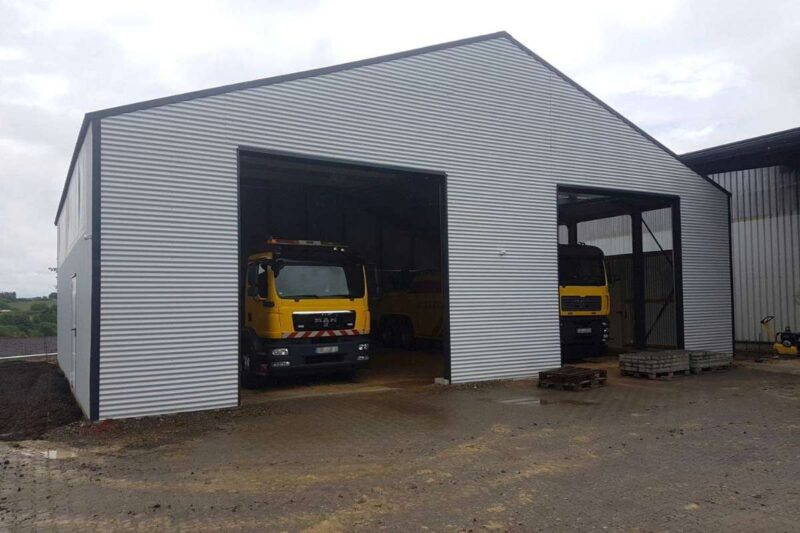
What Is Offsite Construction?
Offsite construction is an umbrella term for building processes that take place away from the final building location. Instead of completing every stage of construction on site, sections of the building are produced in a dedicated manufacturing environment and delivered for installation.
For portable and modular buildings, this often means creating fully formed building sections that can be joined together to create classrooms, offices, healthcare spaces, and more.
The idea behind offsite construction is to move more of the building process into a controlled environment to improve consistency, reduce exposure to the elements, and reduce waste. As a result, offsite construction is often more affordable than traditional building, while still meeting the same standards.
How Does Offsite Construction Work ?
Before manufacturing begins, the building requirements are reviewed, including the intended use, layout, access needs, facilities, finishes, and any other considerations.
For example, a school may need bright, practical teaching space with good natural light and a layout that supports learning. An office may need dedicated work areas, private meeting rooms, kitchens, and toilets.
Once the design is agreed, the building is manufactured offsite. Depending on the type of build and requirements, this stage includes:
- Structural work
- Internal layouts
- Insulation
- Windows
- Doors
- Flooring
- Electrics
- Plumbing
- Finishes
Much of the work takes place in a factory environment, so quality checks can be carried out throughout the process, rather than relying on inspection after completion. Material usage, workmanship, and finishes can be monitored consistently, helping to reduce the risk of defects, delays, and costly remedial work.
Compared to traditional construction, where weather conditions and site access can affect the project’s progress, offsite construction benefits from a controlled setting that allows teams to work more efficiently and meet consistent standards.
Once the building is ready, it is transported to the site for installation. Once delivered, the building is positioned, connected, and finished as required.
What Are The Sustainable Benefits of Offsite Construction?
Construction is increasingly being judged not only by cost and speed, but by environmental impact. Offsite construction can support sustainability in several ways.
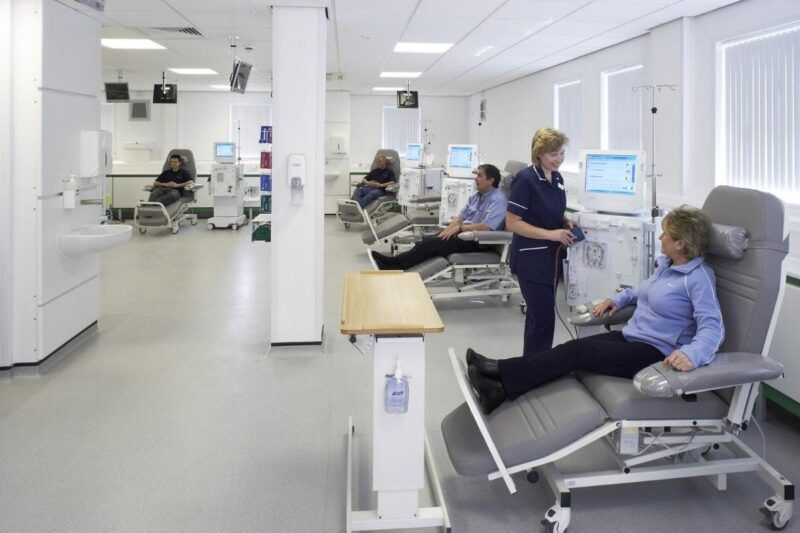
Reduced Waste and Improved Efficiency
A factory-based process can make it easier to plan material use, reduce waste, and improve quality control. Materials can be stored and handled more efficiently, and repeated manufacturing processes can help reduce unnecessary offcuts and errors.
Less Disruption to Site
There is often less disruption on site. Much of the work is completed before the building arrives, so there may be fewer vehicle trips, reducing the project’s carbon footprint, less noise pollution, and a shorter period of activity.
This reduced activity can be particularly helpful in environments like schools, healthcare, and commercial sites.
Better Long-Term Building Performance
Offsite construction can also support better long-term performance when buildings are designed and manufactured to modern standards. Improved insulation, energy efficiency, and appropriate materials can reduce energy consumption throughout the building’s lifespan.
Extending the Life of Existing Buildings
Refurbished modular and portable buildings can provide an additional sustainability benefit by extending the structure’s lifespan. Instead of starting from scratch, organisations may be able to reuse and adapt an existing building, reducing the need for new materials while still delivering a high-quality finished space.
Is Offsite Construction Right for Your Building Project?
The right solution will depend on your site, budget, and intended use. Some organisations may require a bespoke modular building, while others may benefit from a refurbished portable building as a cost-effective alternative.
Offsite construction is a modern and efficient way to create high-quality building space with enhanced speed, flexibility, reduced disruption, and improved sustainability.
Whether you are expanding existing facilities or looking for a cost-effective space solution, modular and portable buildings can provide a practical answer.
Get started today with Portable Building Sales or browse our current stock to find a building that suits your organisation’s needs.
You may also like
How can we help you with your next project?
