What Is a Welfare Unit? A Guide to Portable Welfare Cabins for Construction Sites
27th October 2026
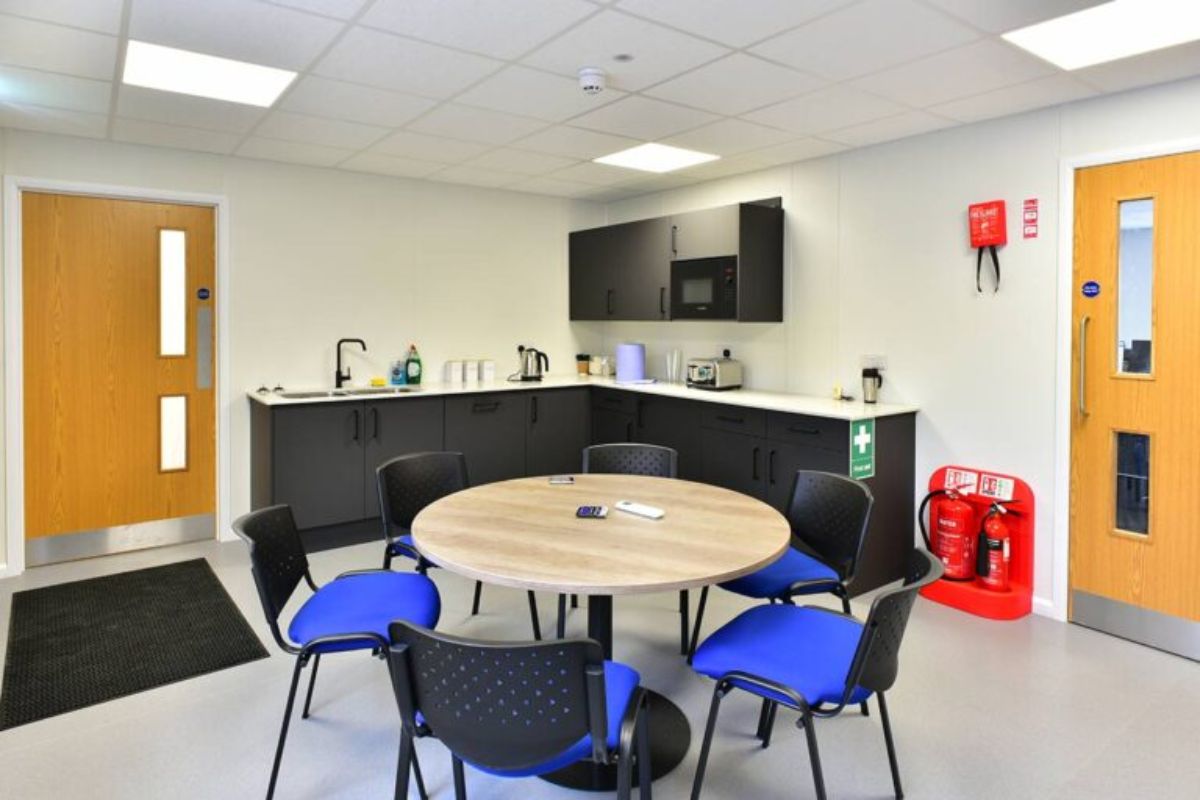
A welfare unit is typically a portable cabin placed on a building site to give the workers basic facilities during a construction project. By law, everyone working on a construction site must be able to access toilets, washrooms, a place to get changed, and somewhere to eat and rest.
The HSE British standard is one chemical toilet for every seven people working a traditional 40-hour week. Using this regulation, you have a basis for the kind of facilities you need to provide. But beyond toilet facilities, there’s a lot more to consider when planning welfare for your site.
In this article, we explain what a welfare unit is, the facilities it must include, how many your site may need, and why portable welfare cabins are often the best choice.
What Is a Welfare Unit on a Construction Site?
Welfare units often go by several names, including site cabins, site offices, site accommodation, and more, but they all refer to the same facilities workers use during the day.
The types of units and their uses are:
- Static Welfare Units – Larger, long-term units. These can sometimes include all of the following types in one.
- Site Cabins and Offices – Spaces for managers and admin staff.
- Canteens – For eating and taking breaks.
- Toilets and Showers – Self-contained units, fully plumbed or chemical options.
The HSE’s guidance says mobile welfare units are an option, as long as they still meet the same minimum standards.
What Facilities Must a Welfare Cabin Have?
The law that stipulates welfare conditions is called the ‘Construction (Design and Management) Regulations 2015’. The part that lists the minimum requirements is Schedule 2.
The law dictates that the ‘contractors’, the companies undertaking construction, must provide adequate facilities for their workers, while the ‘clients’, those paying for the work, have a responsibility to ensure the contractors do so.
Toilets
- Flushing toilets are preferred, but chemical toilets are also permitted where flushing toilets are not possible.
- Good airflow and lighting are required.
- Men and women can share a toilet if it is in a lockable room, separate from any urinals.
Wash Facilities
- Hot and cold running water, soap, and a dryer or towels are required.
- Sinks must be big enough to wash a person’s hands, face, and forearms.
- If a shower is appropriate for the site’s work, it should be provided.
Some portable toilets only offer hand gel or a small sink; the HSE specifically states that this is not enough unless full washing facilities are nearby.
Drinking Water
- Clean drinking water must always be available, clearly labelled, and within easy reach.
- Mains water is preferred, and any bottled water should not be allowed to go stale.
- Cups should be provided, unless using a drinking fountain.
Changing Rooms and Lockers
- Changing areas should be provided if workers require special clothing.
- Men and women must have separate changing rooms.
- Seats should be provided, along with a way to dry clothes if appropriate.
- Workers must have somewhere to securely keep their belongings.
Rest and Eating Areas
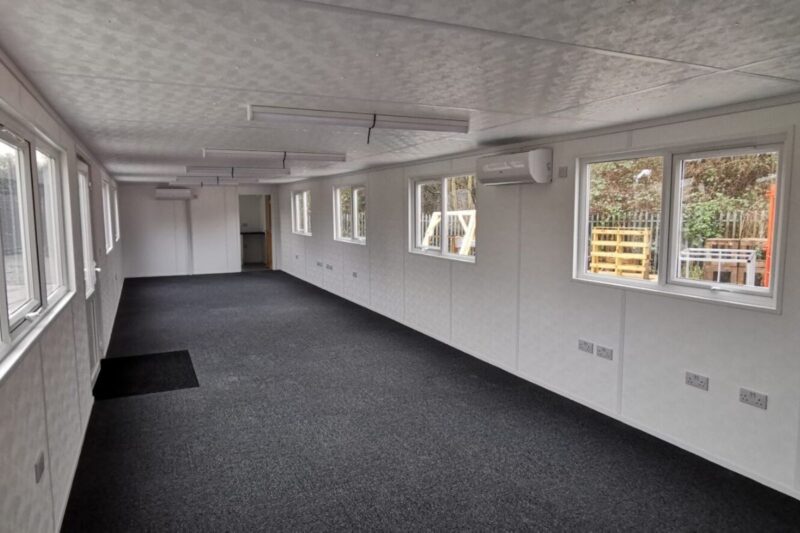
- Enough tables and chairs (with a back) for everyone who might use them at the same time.
- A way to prepare food and boil water.
- Heating for winter and ventilation for summer.
- The area must be kept clean, and no tools or materials should be stored in the area.
Need welfare facilities that tick every box? Our portable cabins are designed to meet HSE standards and can be delivered and installed in days. Get in touch over the phone on 01482 656590, or email us at pbs.contact@wernick.co.uk.
How Many Welfare Cabins Per Person Should a Construction Site Have?
There is no fixed number of cabins required for a site; instead, the guidance simply states that it will depend on the site’s size and the type of work being done.
Using the requirements above, and the guideline of one chemical toilet per seven people, you can make an educated estimate of what is appropriate. Because construction law doesn’t set exact numbers, the HSE suggests borrowing the toilet and washbasin tables from the ‘Workplace Regulations 1992’ as a rough guide, even though those regulations don’t apply to construction sites.
As mentioned previously, it is important to remember that, in areas like canteens, there should always be enough seating and tables for everyone who would regularly be taking a break at the same time. Men and women must be able to change separately, and any shared toilets need to be in lockable rooms, which could have a bearing on the number of facilities. Toilets and welfare facilities should always be as close as possible to where work is taking place.
All of these factors together should allow you to make an appropriate plan for welfare facilities.
Why Portable Welfare Cabins Are the Best Option for Construction Sites
While there are certain exceptions to having your own facilities on site, the rules around them make them difficult to rely on.
For example, you are permitted to use existing facilities like cafés or public toilets, but you require permission from the owner; they must be accessible the entire time workers are on site, and someone must keep the facilities clean and stocked. Having your own welfare cabin bypasses all of this and gives you flexibility over your own site.
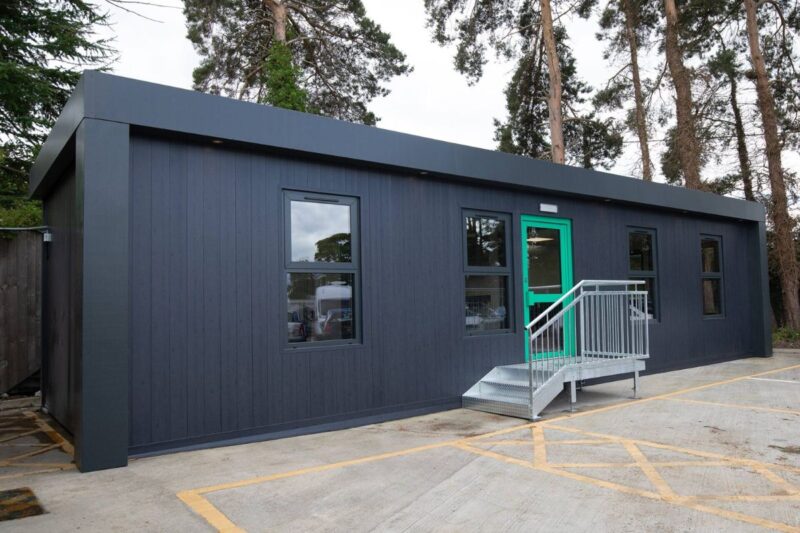
Portable cabins can be delivered to construction sites in a matter of days; they can be moved to new sites when a project ends. With good insulation, plus the option of solar panels, they are cost-effective to run.
We recently provided refurbished modular offices and welfare facilities for Banks Group, giving their team a toilet and shower block, a canteen, kitchen facilities, and drying rooms.
Find the Right Welfare Unit for Your Site
A welfare unit gives your construction team somewhere to wash, change, eat, and recharge, keeping them healthy and productive throughout the project.
Providing these facilities is a legal requirement, but there is no one-size-fits-all solution. The right option will depend on your site, your workforce, and the type of work being done.
At Portable Building Sales, we supply welfare cabins nationwide and can give you advice and guidance on the right setup for your site. Browse our stock or get in touch with our team by emailing pbs.contact@wernick.co.uk.
You may also like
How can we help you with your next project?
