What Makes a Modular Building Energy Efficient?
4th June 2026
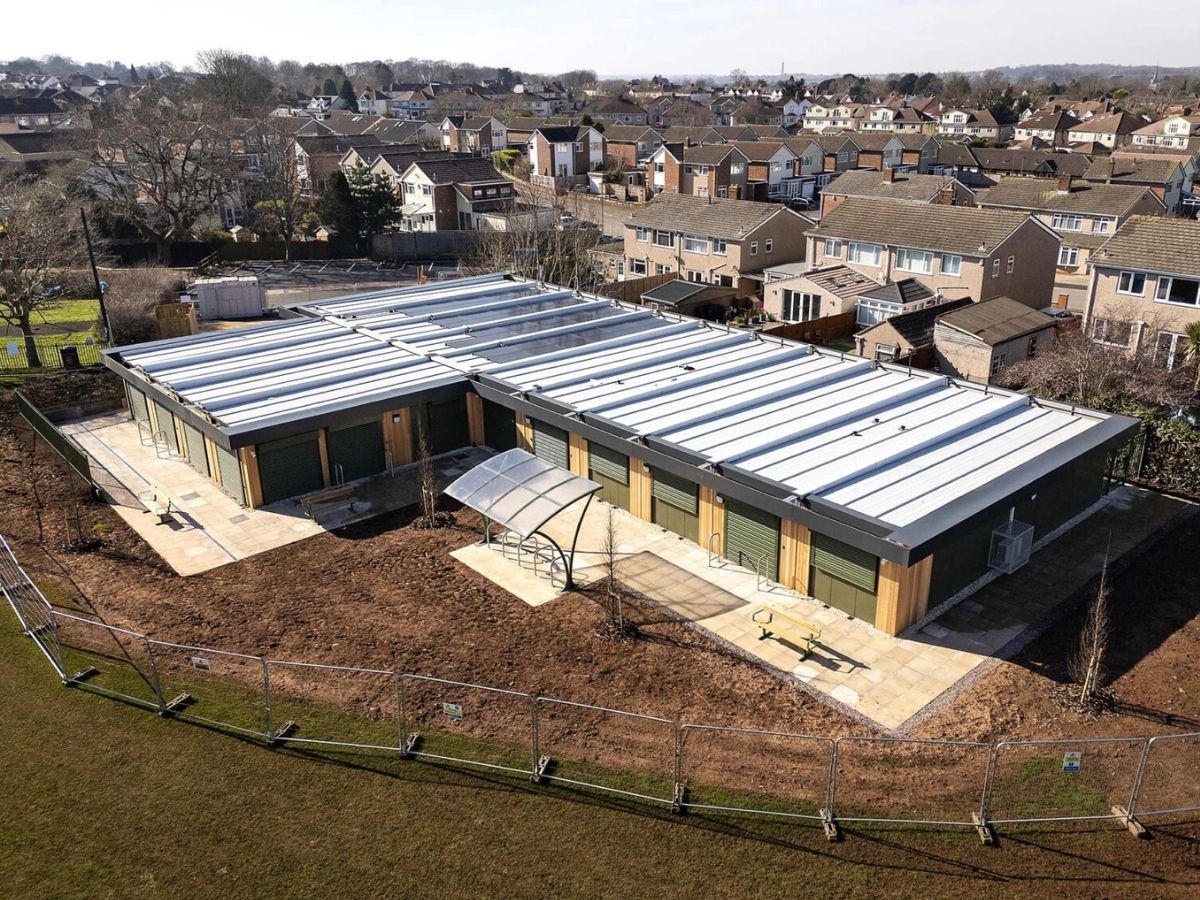
According to the UK Green Building Council, the built environment plays a significant role in the UK’s journey towards net zero, making energy-efficient construction more important than ever.
Buildings are responsible for 40% of the nation’s energy consumption, placing pressure on businesses to improve efficiency and reduce operational costs. As a result, modular buildings are emerging as a smarter and more cost-effective alternative to traditional construction methods.
But why are modular buildings energy efficient? From advanced insulation to reduced material waste and lower long-term running costs, modern modular buildings are designed with performance and sustainability in mind from the outset.
Businesses investing in classrooms, welfare facilities or site offices can benefit from choosing an energy-efficient building, as this can lower running costs, improve comfort for staff and visitors, and support wider environmental goals without compromising on quality or flexibility.
We’ll explore the key features that make modular buildings energy efficient, the benefits they offer businesses, and why choosing the right modular solution can make a difference to your budget and environmental impact.
High-Performance Insulation
Modern modular buildings are designed with insulated walls, floors and roofing systems that help retain heat during colder months while keeping interiors cooler in warmer weather.
According to the Energy Saving Trust, up to 25% of a property’s heat can be lost through an uninsulated roof, while poorly insulated walls can account for 35% of total heat loss.
By using high-quality insulation materials and precision off-site construction methods, modular buildings can minimise heat transfer and maintain a more consistent indoor temperature throughout the year, while also reducing material waste during the build process.
Modern modular buildings are built to meet the thermal performance standards outlined in the UK’s Approved Document L building regulations, which focus on improving energy efficiency and reducing heat loss in buildings.
This improved insulation performance helps businesses reduce energy consumption, lower heating and cooling costs, and create a more comfortable environment for building occupants.
Precision Off-Site Manufacturing
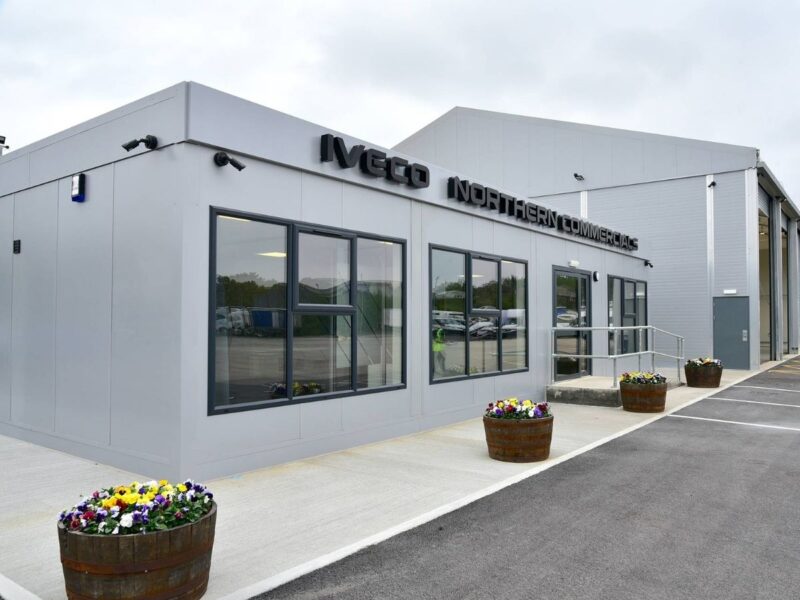
Precision off-site manufacturing in controlled factory environments plays a major role in making modular buildings energy efficient. This improved precision can help create tighter building seals, better airtightness and fewer gaps where heat can escape.
The Energy Saving Trust notes that uncontrolled draughts and air leaks can increase the energy needed to heat a building, making airtight construction an important factor in improving energy efficiency and reducing long-term heating costs.
Controlled manufacturing environments also help minimise some of the inconsistencies that can affect traditional on-site construction, such as weather delays and material damage. This supports more reliable build quality and improved long-term building performance.
The factory-based manufacturing process can also help reduce material waste by allowing components to be measured, manufactured and assembled more efficiently in controlled production environments.
Together, these benefits help support more sustainable construction practices while improving the overall energy performance of modular buildings over time.
Energy-Efficient Windows and Ventilation
Modern modular buildings are built to meet the same building regulations and performance standards as traditional construction, helping businesses avoid some of the inefficiencies often associated with older or poorly insulated buildings.
Up to 18% of a property’s heat loss can occur through windows, but double or triple-glazed windows help counter this by improving thermal efficiency. They can retain heat during colder months while reducing the amount of external heat entering the building in warmer weather.
This improved building performance helps create a more stable indoor environment and reduces reliance on heating and cooling systems, helping businesses lower long-term running costs.
Ventilation is equally important in maintaining an energy-efficient building. Well-designed ventilation systems help maintain airflow and indoor air quality while reducing issues such as condensation and excess moisture, all without compromising thermal performance.
Combining efficient glazing with effective ventilation systems allows modular buildings to deliver comfortable, practical spaces designed for long-term energy efficiency.
Energy-Efficient Building Design
Improving the energy performance of buildings has become a key focus of the UK Government’s wider strategy to reduce energy consumption and support long-term sustainability goals.
As a result, energy efficiency is becoming increasingly important for businesses looking to lower running costs while reducing their environmental impact.
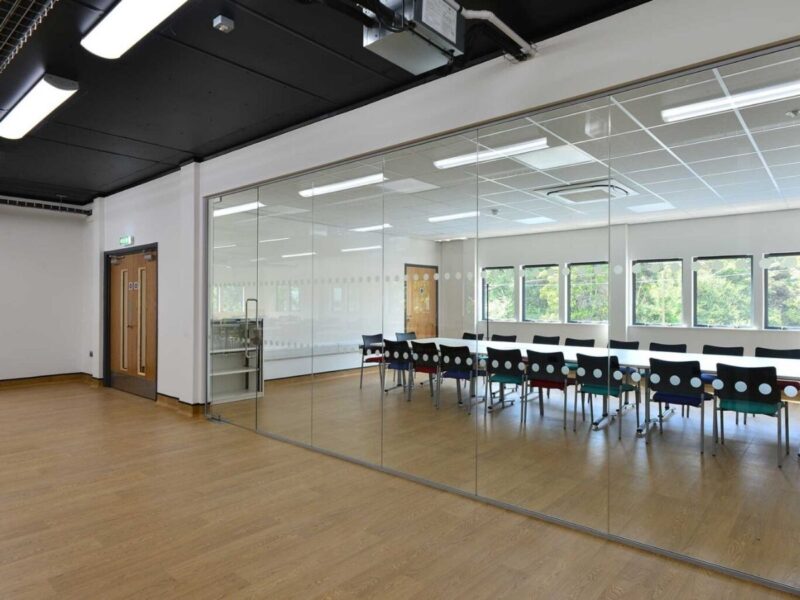
Energy-efficient modular buildings are designed to minimise the amount of energy required to heat, cool and maintain the building over time.
Features such as high-performance insulation, airtight construction, energy-efficient glazing and modern ventilation systems all work together to improve thermal regulation and reduce unnecessary energy usage.
This improved efficiency can help businesses reduce operational costs while creating more comfortable and consistent working environments throughout the year. The Carbon Trust claims that businesses could reduce energy bills by around 20% through energy efficiency measures, highlighting the long-term value of investing in energy-efficient buildings.
Together, these design features help modular buildings maintain efficient performance over time while supporting lower energy usage and long-term cost savings.
Reduced Waste and Smart Material Usage
Traditional construction can often lead to unnecessary waste through off-cuts, damaged materials, over-ordering and changing site conditions.
In comparison, modular construction uses a more streamlined manufacturing approach that helps minimise excess waste and improve overall resource efficiency. This manufacturing approach also allows materials to be planned, measured and assembled more efficiently throughout the construction process.
This has become one of the key sustainability benefits associated with modular buildings.
Research from Dodge Data & Analytics found that 86% of architects, contractors and developers believed modular construction had a positive impact on reducing construction waste and improving sustainable building practices.
Modern modular buildings are also designed with long-term flexibility in mind. Many can be extended, relocated or repurposed for future use rather than demolished and rebuilt, helping reduce the environmental impact associated with construction materials over time.
How Can We Help
To sum up, are modular buildings energy efficient?
From high-performance insulation and airtight construction to energy-efficient glazing, ventilation systems and reduced material waste, modern modular buildings are built with long-term performance and sustainability in mind.
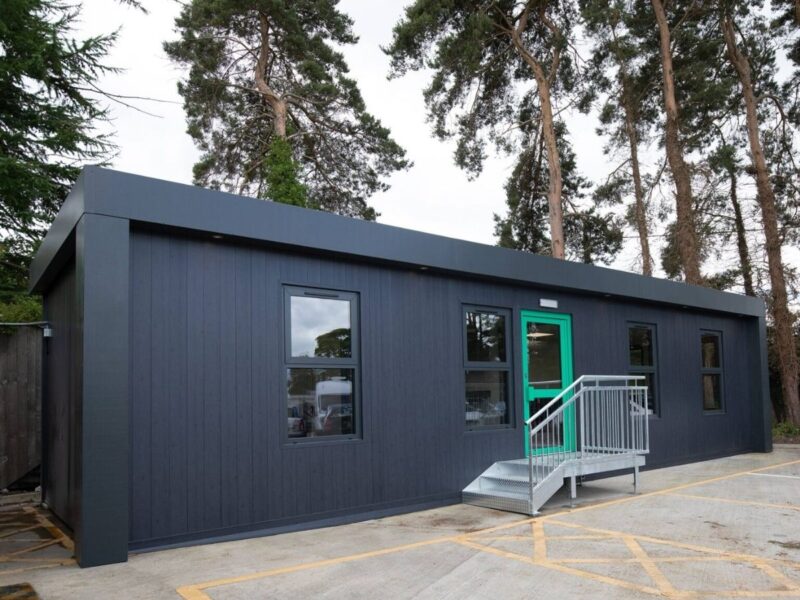
At Portable Building Sales, we specialise in supplying high-quality modular buildings and portable cabins tailored to the needs of businesses across a wide range of industries.
Whether you’re looking for a modular office, classroom, welfare unit or bespoke workspace, our team can help you find an energy-efficient solution that works for your requirements and budget.
Get in touch with Portable Building Sales at 01482 656590 to learn more about our range of modular solutions and how we can support your next project.
You may also like
How can we help you with your next project?
