5 Industries That Benefit Most from Modular Buildings
26th March 2026

As businesses face increasing pressure to expand quickly, reduce costs and improve sustainability, the demand for modular buildings continues to grow across the UK.
A modular building offers a fast, flexible and cost-effective alternative to traditional construction. Whether used for temporary or permanent space, modular solutions can be installed in weeks, adapted over time and tailored to specific operational needs.
But which industries benefit most from modular buildings? Here are five sectors where modular construction is making a significant impact.
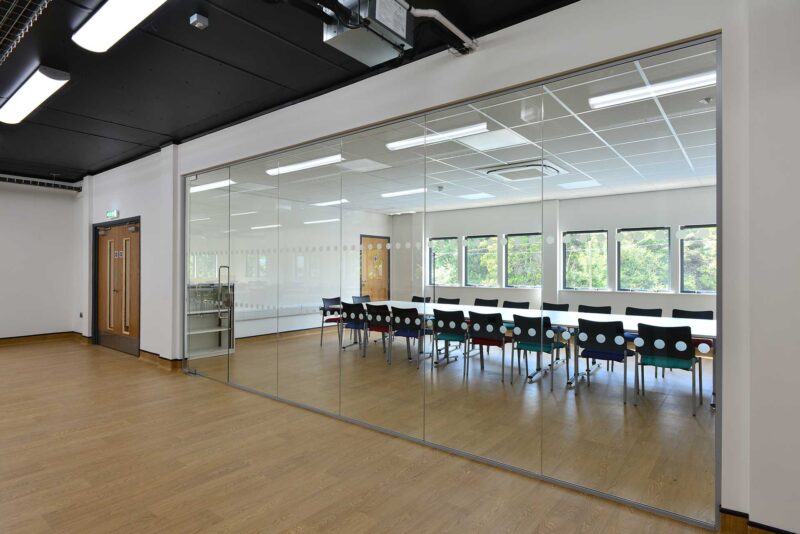
Education
The education sector is one of the biggest users of modular buildings. Schools, colleges and universities often need additional space quickly due to increasing student numbers or refurbishment projects.
A modular building can be used for:
- Classrooms
- Staff rooms
- Administration offices
- Temporary teaching facilities
Because modular buildings can be installed during school holidays or term time with minimal disruption, they provide a practical solution for expanding educational facilities.
Construction
Construction sites rely heavily on modular buildings for site accommodation and operational support.
A modular building on a construction site can provide:
- Site offices
- Welfare facilities
- Meeting rooms
- Secure storage
The ability to relocate and reuse modular buildings across multiple projects makes them a cost-effective investment for construction companies managing several sites.
Commercial & office space
Businesses across all sectors are using modular buildings to create additional office space without the need for relocation or expensive building extensions.
A modular building can be designed as:
- Open-plan offices
- Meeting rooms
- Training facilities
- Breakout areas
With hybrid working on the rise, modular office buildings offer flexible workspaces that can evolve as business needs change.
Healthcare
Healthcare providers often require additional space quickly, whether for growing patient demand, temporary facilities or emergency response.
A modular building can be used for:
- Consultation rooms
- Clinics
- Treatment areas
- Waiting rooms
The speed of installation is particularly important in healthcare, where delays can impact patient care. Modular buildings provide a reliable solution that can be delivered and operational in a short timeframe.
Industrial & manufacturing
Manufacturing and industrial businesses frequently need extra space for production, storage or staff facilities.
A modular building can support:
- Production offices
- Staff welfare areas
- Storage and operational space
- Quality control facilities
Because modular buildings can be extended or reconfigured, they allow manufacturers to scale operations without interrupting existing workflows.
Why modular buildings work across so many industries
The reason modular buildings are so widely used is their versatility. They offer several key advantages:
- Speed – installed in weeks rather than months
- Flexibility – can be relocated, extended or reconfigured
- Cost-effectiveness – lower costs compared to traditional construction
- Minimal disruption – limited on-site work required
- Sustainability – reduced waste and efficient use of materials
These benefits make modular buildings suitable for almost any sector that needs additional space quickly and efficiently.
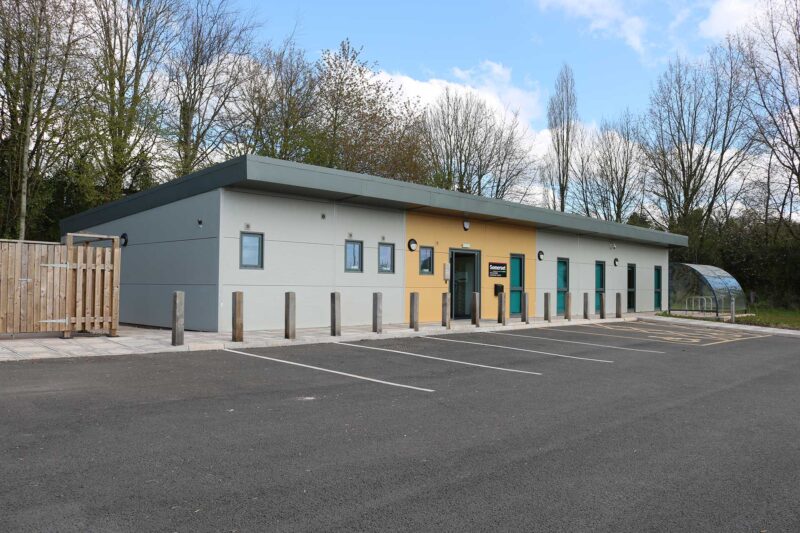
Find the right modular building for your industry
Whether you’re in education, construction, healthcare or commercial sectors, a modular building can provide a flexible and future-proof solution.
At Portable Building Sales, we supply both new and refurbished modular buildings tailored to your specific requirements. Our team can help you design, configure and install a building that works for your business.


You may also like
How can we help you with your next project?
