When Should You Refurbish Instead of Replace Your Modular Office?
8th July 2026

Modular buildings are designed for longevity and with high-quality materials, good design and regular maintenance, can last up to 50 years. While every project is different, refurbishment is often a more cost-effective option when an existing modular office is well-maintained and only requires upgrades to improve its appearance, functionality or energy performance. However, the right solution will depend on several factors, including the building’s condition, the extent of the improvements required, your budget and your future business needs. By considering these elements, you can make an informed decision that balances cost, performance and long-term value.
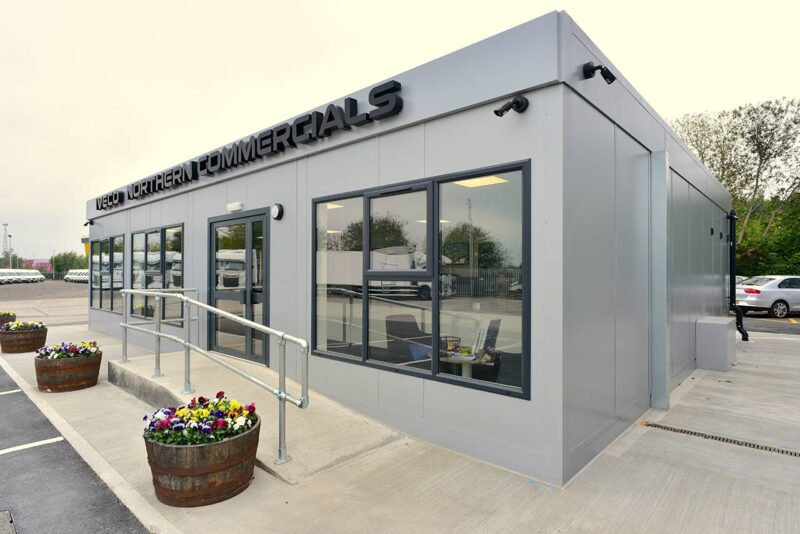
Signs your modular office is a good candidate for refurbishment
Refurbishment can be an excellent way to extend the life of a modular office, particularly when the building remains in good condition. Rather than replacing the entire unit, targeted upgrades can improve its appearance, functionality and performance, helping it meet your current and future needs.
The following are some of the key signs that refurbishment may be the right choice.
The structural frame
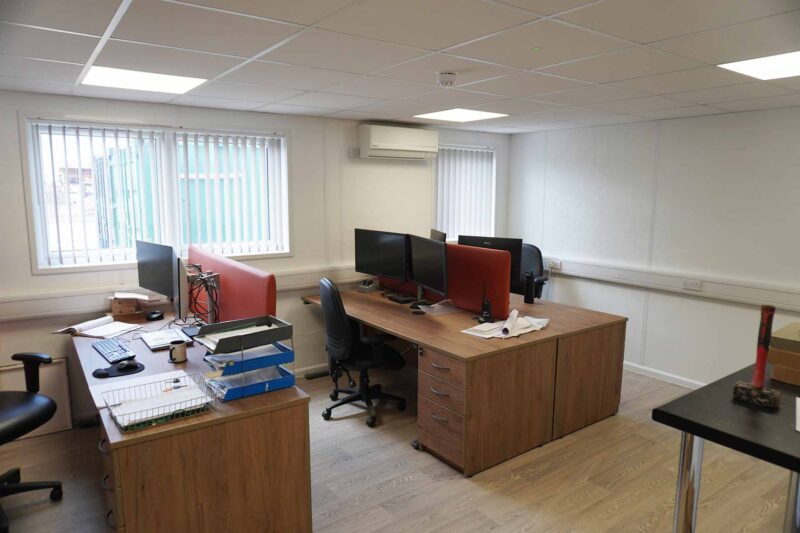
The structural frame is the foundation of any modular building. If inspections show that the frame remains strong and free from significant damage or deterioration, refurbishment is often a practical alternative to replacement. Retaining the existing structure allows you to modernise the building while avoiding the cost and disruption of installing a completely new modular office.
Cosmetic wear and tear
Over time, modular offices can begin to show signs of everyday use, such as worn flooring, faded decorations, damaged cladding or ageing fixtures and fittings. While these issues may affect the building’s appearance, they don’t necessarily impact its structural integrity. Refurbishment can restore the office with new finishes, flooring, windows, doors or external cladding, giving it a fresh, professional look.
Outdated interiors
Workplace expectations change over time and an office that was fit for purpose a decade ago may no longer meet the needs of today’s workforce. Refurbishment provides the opportunity to update interior layouts, improve lighting, replace ceilings and flooring, modernise kitchen and washroom facilities and create a more comfortable and productive working environment.
Changing business requirements
As businesses grow or adapt, their workspace requirements often change too. You may need additional meeting rooms, more collaborative areas, improved staff facilities or a different internal layout. If the existing structure can accommodate these changes, refurbishment offers a flexible way to reconfigure the space without investing in a completely new building.
Opportunities to improve energy efficiency
Older modular offices may not benefit from the energy-saving technologies available today. Refurbishment can include upgrades such as improved insulation, energy-efficient windows and doors, LED lighting and modern heating or cooling systems. These improvements can enhance comfort, reduce energy consumption and help lower operating costs while extending the building’s useful life.

Environmental benefits
Choosing to refurbish rather than replace your modular office can also reduce its environmental impact. By retaining the existing structure, fewer new materials are required, helping to minimise construction waste and keep valuable resources in use for longer. Refurbishment also reduces the need to manufacture and transport a completely new building, lowering the overall environmental footprint of the project. For businesses looking to improve their sustainability credentials, extending the life of an existing modular office can be a practical step towards a more circular approach to construction.
When replacement may be the better option
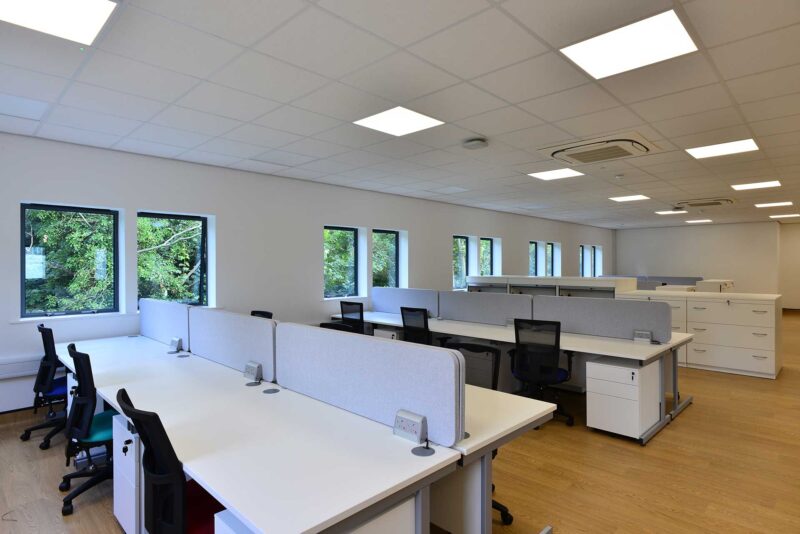
While refurbishment is often the right choice, replacement may be more appropriate if your modular office has significant structural damage, no longer meets operational requirements or requires extensive repairs that make refurbishment uneconomical. In these situations, investing in a new modular office may provide better long-term value and performance.
If your modular office is structurally sound, refurbishment can be a practical, cost-effective and more sustainable alternative to replacement. By upgrading key features and extending the building's lifespan, you can improve its appearance, functionality and energy performance while making the most of your existing investment. At Portable Building Sales, we can assess your modular office and recommend the most suitable solution, helping you maximise its value for years to come.
Speak to our team today
If you'd like to find out more about our modular building refurbishment services or discuss your requirements, our team is here to help. Contact us today and we'll be happy to answer your questions and provide the information you need.


You may also like
How can we help you with your next project?
