Modular Buildings Explained: Design, Layout & Customisation
21st January 2026

Are you looking for a faster, more convenient way to create a high-quality space, without the delays of construction? Well, you’re in the right place!
Modular buildings provide a modern, flexible solution for organisations that require reliable buildings delivered on time and on budget.
In this blog, we’ll explore what makes modular buildings stand out, how modular building design works, and why you should choose one for your next project.
What Are Modular Buildings?
Modular buildings are contemporary, versatile portable buildings that can be fully customised and configured to meet your requirements.
Each building is constructed off-site and transported to the site, ensuring consistent quality and minimal disruption.
Their appeal lies in their flexibility. Whether you need a single unit or a multi-storey building, they can be designed to meet exact space, layout and compliance requirements.
Modular Building Design Guide: How the Process Works
Modular buildings offer a bespoke layout, finish and specification, and are designed around function first.
Designing a modular building includes a consultation, selection of size, layout, and specifications, consideration of access and services, and final design approval.
The design process typically includes:
- Initial Consultation: Understanding requirements and budget.
- Selection: Choosing the building’s size, layout, and specifications.
- Consideration: Assessing access, services and site conditions.
- Final Design Approval & Manufacturing: Finalising the bespoke design and beginning construction.

Modular Building Design: Layout
Effective modular building design focuses heavily on layout, aiming to maximise usable space.
Modular buildings can include open-plan layouts, partitioned rooms, corridors, stairwells and integrated storage.
In this project for Osbit, we designed a bespoke meeting room, presenting the customisation of modular buildings while creating a modern, collaborative space tailored to the client’s day-to-day needs.
At Portable Building Sales, we design, produce and supply a unique in-house range of modular buildings. Get started today.
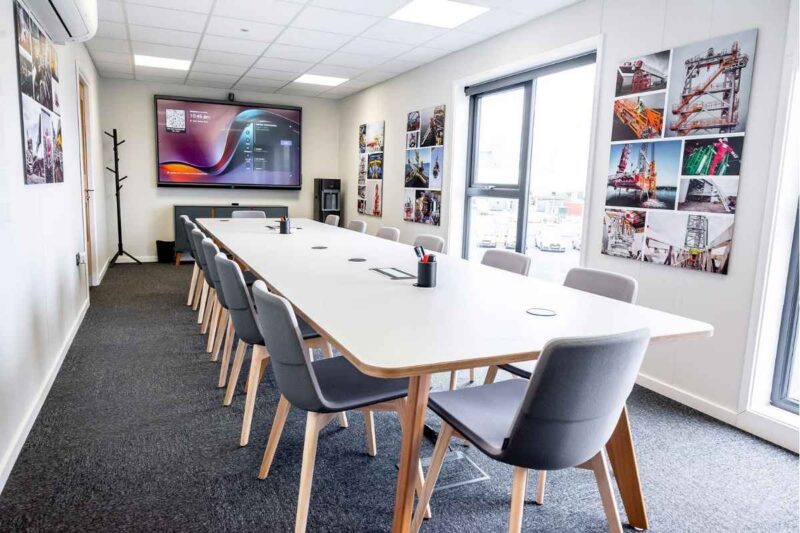
For offices, layouts can include meeting rooms, breakout areas, bathrooms and kitchen facilities. For education or healthcare organisations, the design will prioritise safety, accessibility and flow of movement.
If you’re looking for accommodation, layout planning becomes even more important. Living areas, bedrooms and bathrooms will be arranged to create comfortable, practical homes that feel no different from traditionally built properties.
Customisation Options for Modular Buildings
A crucial advantage of modular buildings is the level of customisation available.
Customisation options include external finishes, such as cladding, render, or brick-effect panels, as well as window and door styles and placement.
Internally, wall configurations and ceiling heights, flooring and lighting, and heating and ventilation systems can be customised.
The Benefits of Modular Buildings
Now that you’re clear on what modular buildings are and how their design process, layout and customisation work, let’s take a look at their benefits.
1. Speed & Minimal Disruption
A key benefit of modular construction is speed. As modular buildings are manufactured off-site, construction times are significantly shorter and less affected by weather delays.
There’s minimal disruption on-site, too, as the process involves only transporting the building, making modular buildings ideal for live environments such as schools, hospitals, and active commercial sites.
2. Cost Certainty
Pricing is agreed upon upfront, helping you avoid unexpected costs.
This means you can create an accurate budget with greater financial control, making modular buildings a reliable option for organisations working to strict budgets or fixed funding timelines.
3. Versatility, Flexibility & Modern Standards
The flexibility of Modular buildings is often the part that interests clients the most. You have so much control over what your space looks like and how it functions, so you can mould your building into exactly what you envisioned it to be.
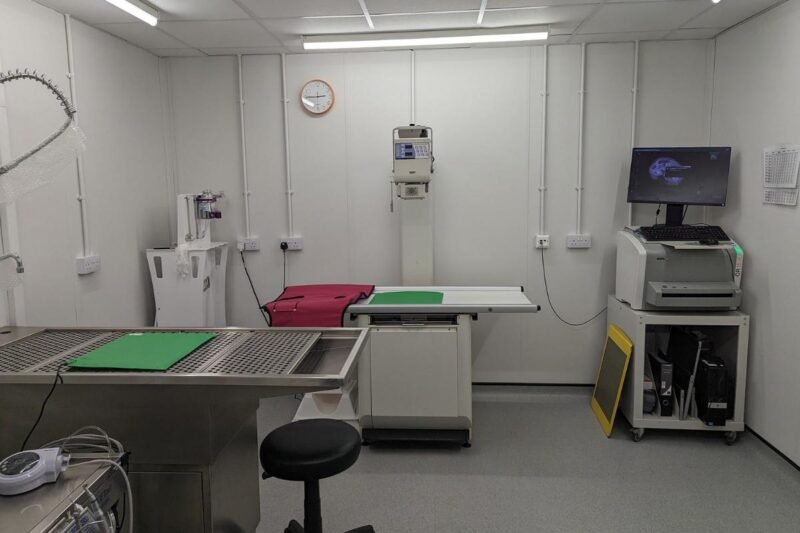
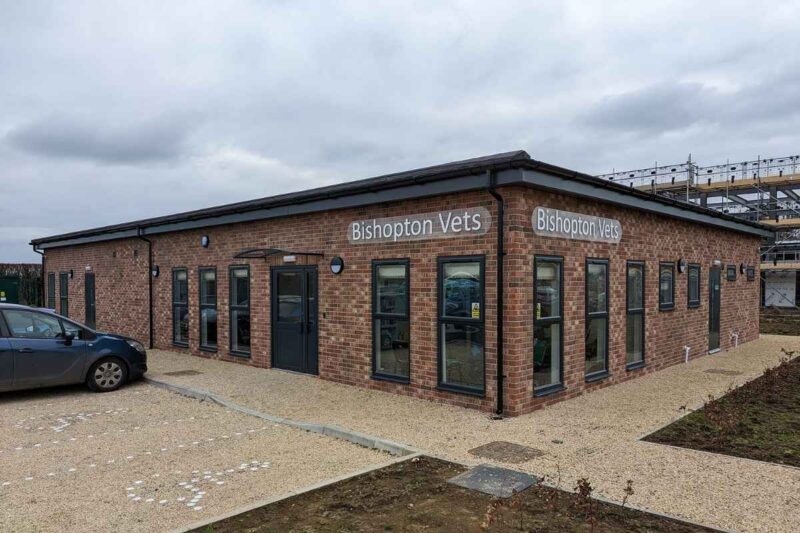
In our project for Bishopton Veterinary Group, we’ve showcased the flexibility and versatility of modular buildings by creating a clean, compliant and practical clinical space.
Modular buildings are also versatile, suitable for offices, schools, healthcare settings, and welfare facilities, and even short-term accommodation.
We ensure they are built to modern building regulations and performance standards, guaranteeing safety, comfort and compliance.
4. Customisation & Adaptability
From customisable external finishes to internal layout, modular buildings are designed to fit your needs.
You can add cladding, change where your windows and doors are placed, and create a layout that serves your operational needs.
You can also relocate your modular building, meaning you can repurpose your investment rather than starting from scratch when it’s time for a change.
5. Sustainable Construction
Modular buildings are constructed sustainably by reducing waste, improving energy efficiency and optimising material use.
They’re designed with longevity in mind, helping reduce environmental impact throughout their lifecycle.
Ready to Design Your Modular Building?
We hope this guide has clarified what modular buildings entail and how the process works.
If you’re ready to discuss your requirements, our team is here to help. From initial design through to delivery and installation, we provide end-to-end support to make your project straightforward and stress-free.
Get started today.
You may also like
How can we help you with your next project?
