Foundations For Modular Buildings: Preparing The Land
14th July 2026
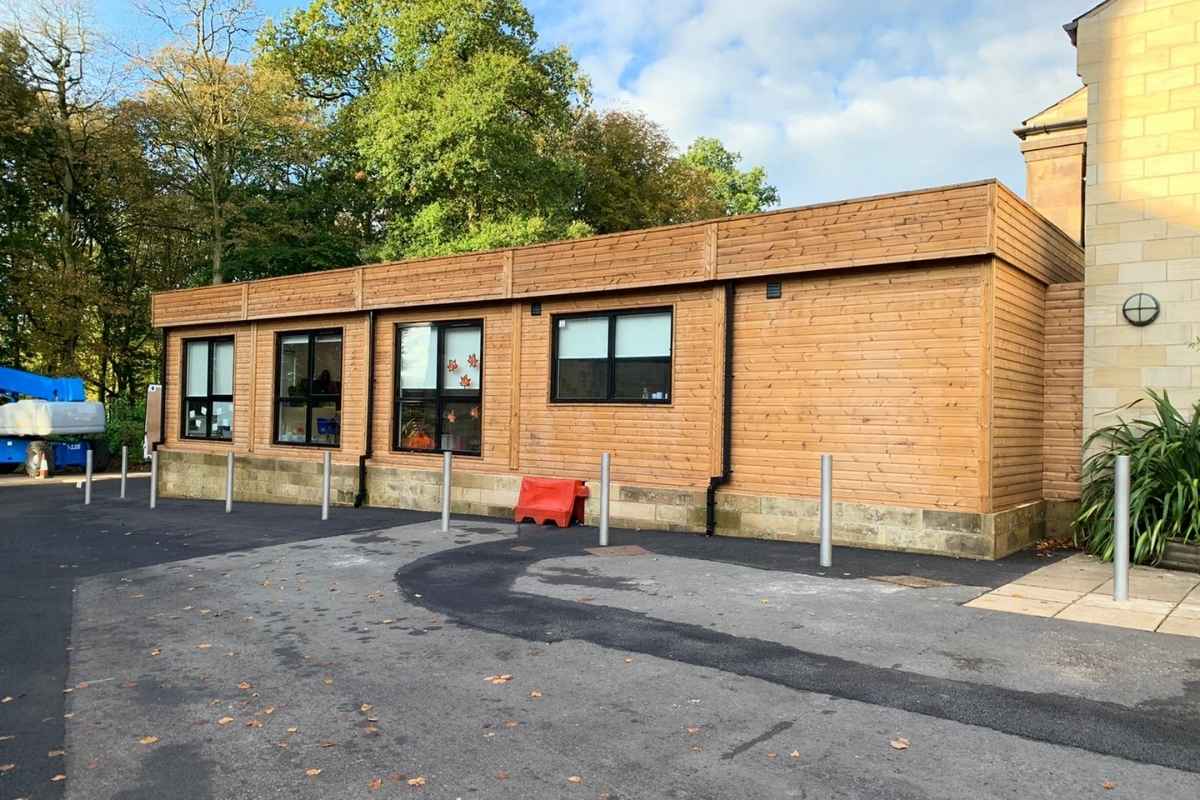
Modular buildings do need foundations. While they don’t require the same level of groundwork and preparation as a traditional brick-and-mortar building, every modular or portable building needs a level, stable foundation.
The foundation options available will depend on your ground conditions, the building’s size, and the planned life span.
In this article, we will explore whether modular buildings require foundations, the foundation options available, how to prepare your land, and how to choose the right foundation.
Do Modular Buildings Require Foundations?
Modular buildings rely on foundations to support the structure, similarly to traditional structures. Because they are portable, it’s easy to assume they can be placed on any patch of ground, but that is not the case.
The difference, however, is in how the load is spread across the building’s footprint. Rather than needing substantial foundations for load-bearing walls, a modular building’s weight is spread evenly across its entire footprint. Typically, this means less excavation and faster installation. But proper foundations cannot be ignored.
For organisations like schools or businesses, the importance of appropriate foundations can’t be overstated. Foundations protect against long-term issues like uneven flooring, damp, or drainage problems, all of which are more disruptive and costly to fix once the building is in use.
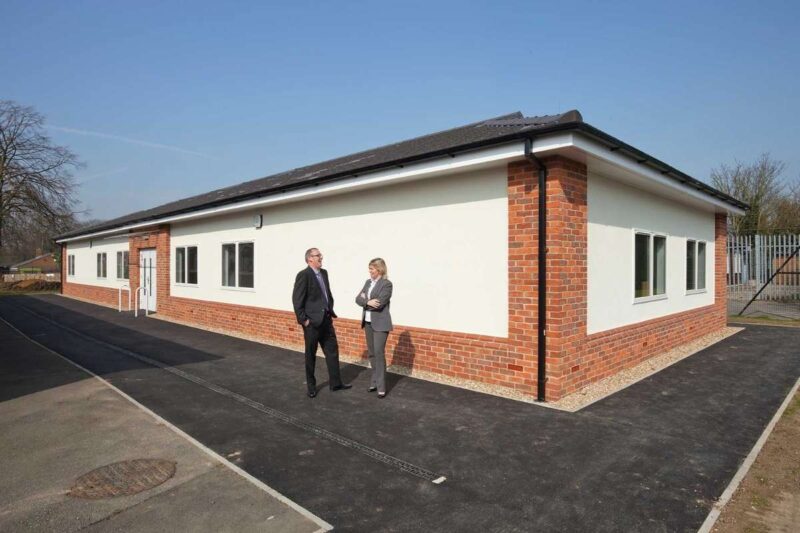
What Are the Foundation Options for Modular Buildings ?
The right foundation for your organisation depends on your ground conditions, budget, and the building’s intended life span. The most common options are:
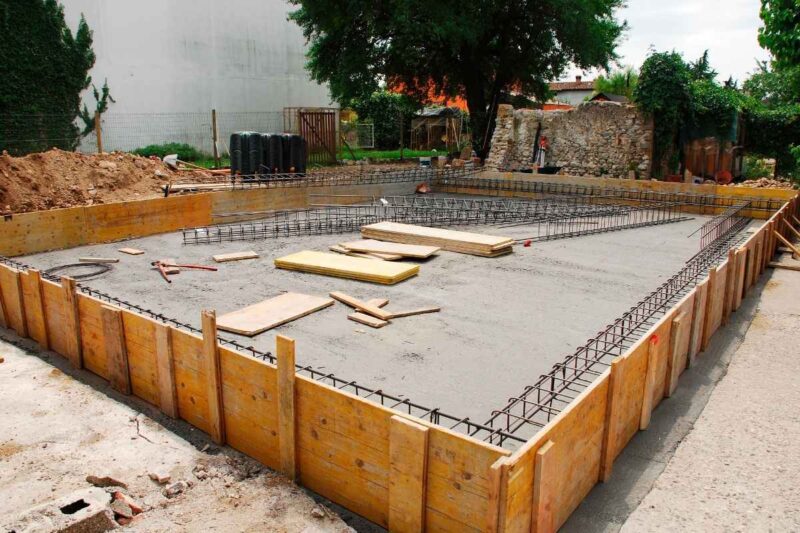
- Concrete Pad – Standard 600mm x 600mm concrete pads, sized according to the building’s scale, number of storeys, and the loads it will carry. A common choice for buildings intended to stay in place long-term.
- Strip Foundations – Continuous concrete strips laid beneath the load-bearing sections of the building, used where the size or layout needs it, rather than individual pads.
- Jackpads – A reusable, portable foundation system made from recycled plastic, installed by our site team on hard-standing sites. Jackpads offer a more cost-effective and efficient alternative to concrete.
A ground survey early in the process will identify which of these options is right for your site and let our team design the perfect solution before work begins.
Not sure which foundation is right for your site? Get in touch with our team for a tailored solution to your project.
Preparing Your Land
Before a modular building can be delivered, there are several groundwork steps to work through:
- Assess Ground Conditions – Surveying the site will help you establish what is beneath the surface. Unstable ground can affect which foundation type is appropriate.
- Level and Grade the Site – The ground needs to be levelled to provide an even surface with grading in place to direct water away from the building, rather than letting it pool underneath.
- Delivery Access – Modular sections are transported in large units, so access for delivery vehicles and lifting equipment needs to be accounted for in advance.
- Plan for Utilities – Electricity, water, and drainage connections should be mapped out early in the process. Fitting them after the building’s delivery can cause unnecessary delays.
- Site Disruption – For sites that cannot be closed, like schools or hospitals, managing noise, access, and safety around the works is an important part of planning.
Skipping these steps rarely saves time and can lead to delays further down the line.
Choosing the Right Foundation for the Site
There is no single right foundation for every building. The right option for your modular building is going to come down to ground conditions, building life span, and budget. A short-term site office may only need temporary slabs, whereas a more permanent building like a classroom might require something more robust.
Working with a supplier who can manage groundworks alongside the build itself, rather than separate contractors, also helps keep costs predictable and avoids the risk of delays from miscommunication.
Whatever your needs, taking time to properly assess and prepare your land before installation is one of the most valuable steps you can take towards a smooth, on-schedule project.
Ready to Start Your Modular Project ?
Whether you’re planning a new office building or extension, a new classroom or healthcare facility, getting the foundations right is the first step toward a building that performs well for years to come.
Our team can help you assess your site and recommend the right foundation solution for your needs.
Speak to our expert team about your project, or browse our stock to see the modular buildings available right now.
You may also like
How can we help you with your next project?
