From Offices to Classrooms: What Can a Modular Building Be Used For?
22nd April 2026

One of the biggest advantages of a modular building is its versatility. Unlike traditional construction, modular buildings are designed to adapt to a wide range of uses, industries and environments.
Whether you need extra office space, a temporary classroom or a long-term facility, a modular building provides a fast, flexible and cost-effective solution that can be tailored to your exact requirements.
In this guide, we explore the many ways modular buildings are used across the UK and why they continue to grow in popularity.

What is a modular building?
A modular building is constructed off-site in a controlled factory environment and delivered to your location in sections, or “modules.” These modules are then assembled on-site to create a fully functional building.
This method of construction ensures:
- Faster build times
- Consistent quality
- Reduced disruption on-site
It also allows modular buildings to be customised for a wide range of applications.

Office spaces
One of the most common uses for a modular building is office space. Businesses use modular buildings to create:
- Open-plan offices
- Private offices
- Meeting rooms
- Training facilities
Modular office buildings are ideal for growing businesses that need space quickly without relocating or investing in expensive permanent extensions.
Classrooms and educational buildings
Schools, colleges and universities frequently rely on modular buildings to provide additional teaching space.
A modular building can be used as:
- Classrooms
- Staff rooms
- Administration offices
- Temporary teaching blocks
Because modular buildings can be installed quickly and with minimal disruption, they are perfect for education environments where time and safety are critical.
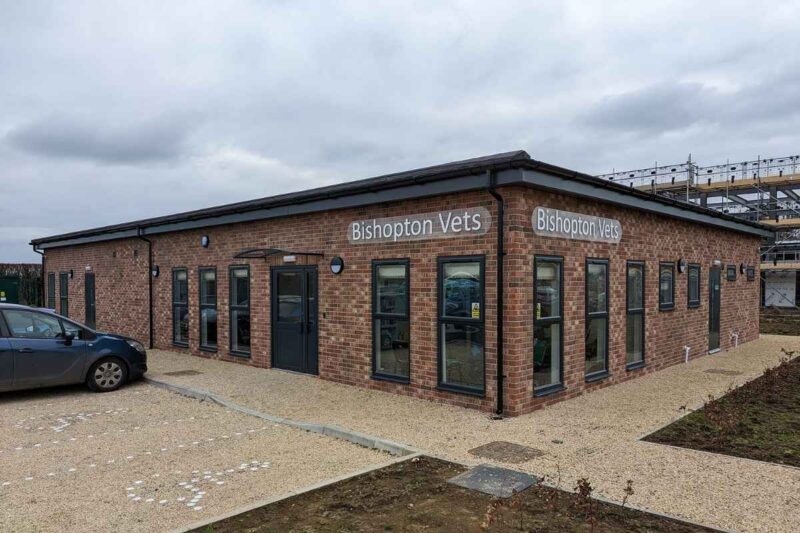
Healthcare facilities
Healthcare providers use modular buildings to meet increasing demand for services and facilities.
Common uses include:
- Consultation rooms
- Clinics
- Treatment spaces
- Waiting areas
The speed of installation allows healthcare facilities to expand quickly, ensuring patients receive timely care.
Welfare and site accommodation
On construction and industrial sites, modular buildings are essential for providing welfare facilities.
These can include:
- Break rooms
- Changing facilities
- Kitchens and canteens
- Toilets and washrooms
Providing proper welfare facilities helps improve staff wellbeing and ensures compliance with regulations.
Storage and industrial space
A modular building can also be used for storage and operational purposes.
Businesses use modular buildings for:
- Secure storage
- Equipment housing
- Workshop space
- Operational support areas
Their durability and weather resistance make them ideal for industrial environments.
Retail and commercial spaces
Modular buildings are increasingly being used for retail and commercial applications.
They can be designed as:
- Pop-up shops
- Showrooms
- Sales and marketing suites
- Customer service centres
This flexibility allows businesses to launch new locations quickly without long-term commitments.
Community and public sector buildings
Local authorities and community organisations use modular buildings for a wide range of public services.
These include:
- Community centres
- Libraries
- Temporary housing facilities
- Public service buildings
Modular construction provides a cost-effective way to deliver essential services quickly.
Why modular buildings are so versatile
The flexibility of a modular building comes from its design. Because buildings are made up of individual modules, they can be:
- Reconfigured to suit different uses
- Extended as requirements grow
- Relocated to new sites
- Refurbished for continued use
This makes modular buildings a future-proof solution for organisations that need adaptable space.

A smarter way to build
Compared to traditional construction, modular buildings offer:
- Faster delivery
- Lower costs
- Reduced disruption
- Sustainable construction methods
These advantages make modular buildings an increasingly popular choice across multiple industries.

Find the right modular building for your needs
No matter your sector or requirements, a modular building can be designed to suit your needs.
At Portable Building Sales, we provide both new and refurbished modular buildings for a wide range of applications. Our team can help you create a flexible, high-quality space that works for your business.


You may also like
How can we help you with your next project?
